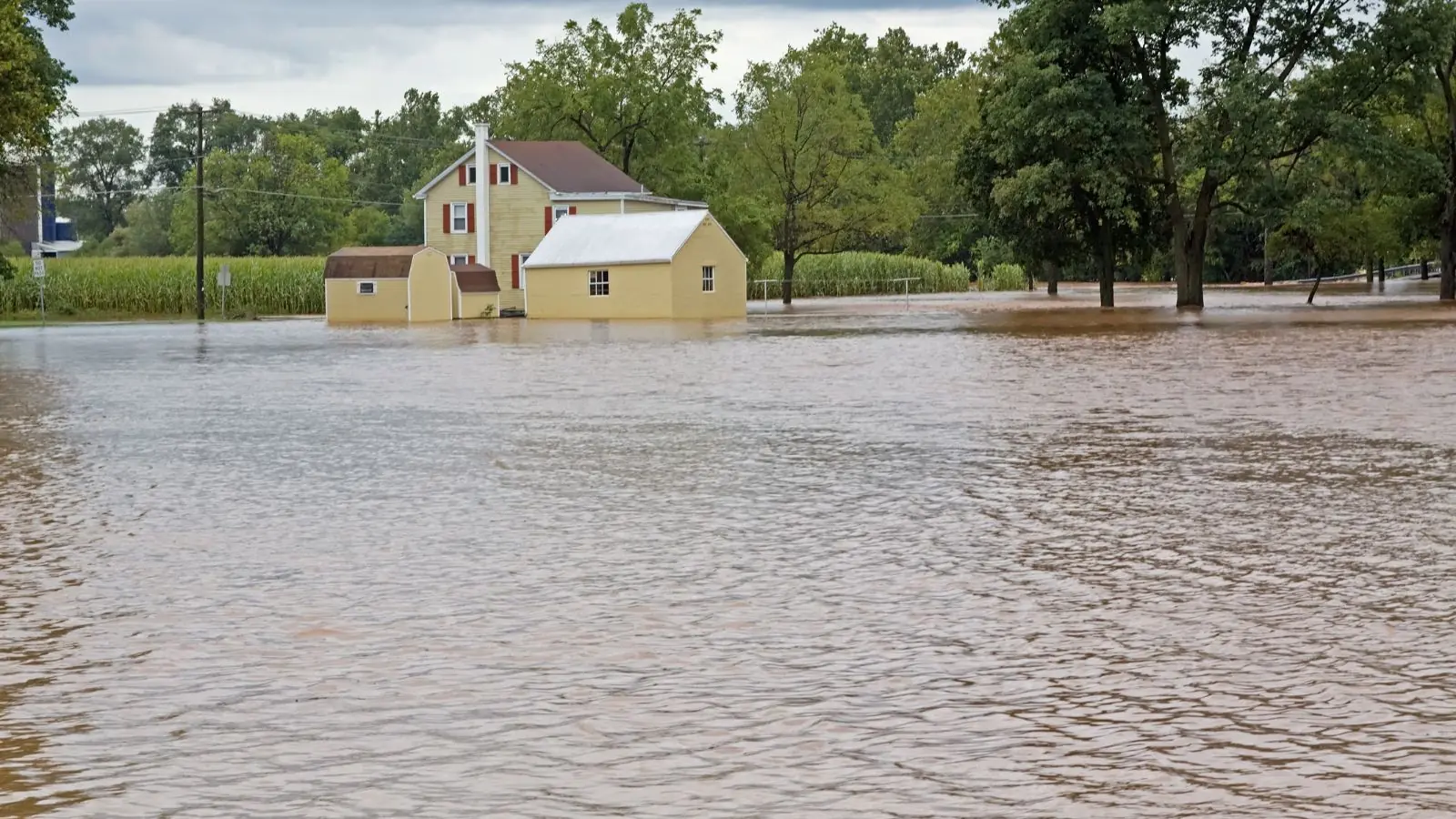
If a storm pushed water into your home, call (301) 936-0619 and tell us where it entered. Wind-driven rain, a limb on the roof, a clogged gutter or runoff at the foundation all leave wet materials that must be dried quickly.
Storm water damage cleanup covers extraction, drying and cleanup of the rooms the water reached. It is different from a flood page, because many storm losses are partial. A window leak or roof opening wets a ceiling and a wall, not a whole level. See flood damage restoration if rising water has covered a floor.
How Storm Water Enters College Park Homes
Water comes in at points where the building envelope is weakest. Wind pushes rain sideways under siding, around windows and past worn flashing. Limbs that break in a storm can open a roof. Gutters clogged with leaves spill water against the wall and down to the foundation.
Runoff is the other path. Water that pools against a foundation wall finds cracks, window wells and the joint where the slab meets the wall. Basements in older streets often take it first.
| Entry point | What you see | Typical wet area |
|---|---|---|
| Wind-driven rain at a window | Water on sill, stain below the frame | Wall and floor near the window |
| Roof opening or damaged flashing | Ceiling stain that grows in heavy rain | Ceiling, insulation, wall below |
| Clogged gutter or downspout | Overflow at the wall, damp basement corner | Foundation wall and basement floor |
| Runoff at ground level | Water at window wells and door thresholds | Basement floor and lower walls |
General pattern only. Moisture readings show where the water actually went.
Reading the Damage After a Storm
A stain that appears during the storm and stops growing afterward usually means one short entry. A stain that grows hours later means water is still moving inside the ceiling or wall. Peeling paint, soft baseboards and a damp smell suggest the cavity is wet even when the surface looks dry.
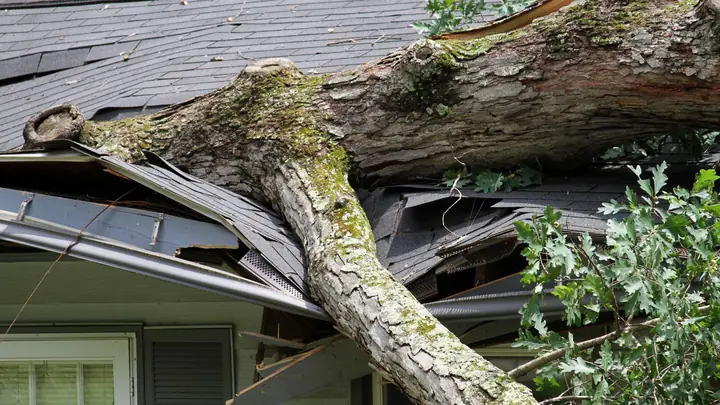
Check the attic, the top of exterior walls and the basement corners as soon as it is safe. Write down the time the storm started and when you noticed water.
Safety Steps During and After a Storm
Do not go outside during lightning or high wind to check the roof. Look from a window and call for help if you see an opening or a fallen limb.
- Do not enter a room where water sits near outlets, fixtures or the panel.
- If a limb or wire is down on the house, stay away and call 911 or the electric utility.
- A gas odor means you exit the building and dial 911 from the sidewalk.
- Move people, pets and valuables away from wet ceilings that sag.
- Catch drips with buckets and photograph the water, the stains and the entry point.
Water coming in during a storm? Call the 24/7 line and we will explain the next steps.
☎ Call (301) 936-0619What Local Records Say About Storm Water
The National Weather Service says the September 10, 2020 storms dropped 2 to 5 inches of rain in a narrow corridor across the Washington area, with most of it falling in about two hours. That is the kind of burst that overwhelms gutters and storm drains.
Prince George's County says about 4,000 structures are flood prone in a 100-year storm event, and that flooding is concentrated in older, highly urbanized inner-Beltway communities. College Park falls inside that general description.
The council's January 11, 2021 minutes record floodwater coming into Calvert Hills houses during that rain.
How We Dry Storm-Damaged Rooms
We start by finding the wet path with a moisture meter and thermal camera, then pull out standing water.
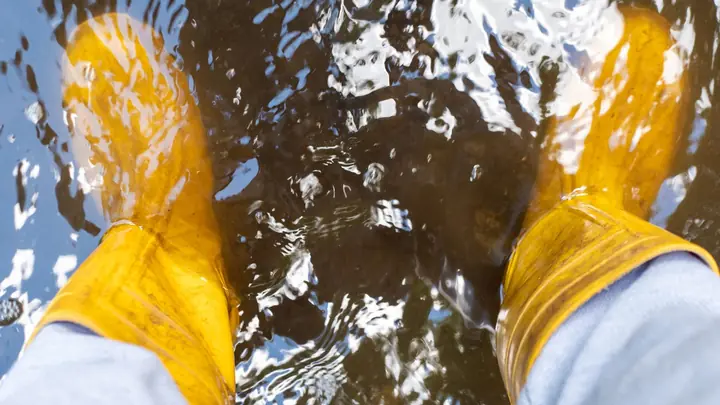
- Extract standing water with a portable or truck-mounted extractor.
- Remove wet carpet pad, insulation and drywall that will not dry in place.
- Place air movers and low-grain refrigerant dehumidifiers, opening wall cavities where readings call for it.
- Read moisture daily until the materials match dry reference readings.
- Clean surfaces and, if the water was dirty, sanitize them before rebuilding starts.
ANSI/IICRC S500 is the industry reference for how water categories are classed. Runoff from the ground is often more contaminated than rain through a window, and the plan follows that class. We do not repair roofs, so a roofer handles the opening.
What Changes the Cost
Cost depends on the area wet, how many rooms the water reached, the materials involved and how long drying takes. Water that came in clean through a window costs less to restore than dirty runoff through a basement wall. Scope and price are explained before work starts.
Insurance and Storm Claims
Wind-driven rain entering through a storm-made opening is often treated differently from groundwater or surface flooding. Many homeowners policies exclude flooding unless separate coverage was bought, so check your policy and ask your insurer which category your loss falls in.
We keep dated photos, moisture logs and material lists to support your claim. Take your own photos too, including the storm date and any damage outside the house.
Prevention Before the Next Storm
- Clear gutters and downspouts before the fall leaf drop and after major storms.
- Extend downspouts away from the foundation.
- Check roof flashing, window seals and caulk after wind events.
- Keep window wells clear and grade soil away from the wall.
- Keep valuables off basement floors.
For water that has already soaked into a ceiling or wall, see emergency water removal. Neighbors in Greenbelt and Beltsville call the same line.
Storm over but the stain keeps growing? Call and tell us what you see.
☎ Call (301) 936-0619Storm Water Damage Questions
Yes. The 24/7 line is answered at (301) 936-0619, including during and after storms. Same-day response is offered when available, and no arrival time is promised on the phone.
Storm damage usually means rain entering through a roof, window or wall, often in one or two rooms. Flood damage means rising water across a floor, which is treated as more contaminated.
No. We handle water removal, drying, cleanup and the finish rebuild. A roofer or window contractor fixes the opening.
It depends on how the water entered and on your policy. Check your policy and ask your insurer. We provide photos and moisture records.
Water that soaked insulation and framing can keep moving. A moisture meter and thermal camera show how far it went.