Our primary coverage is College Park, Maryland, in Prince George's County. The city uses ZIP codes 20740 and 20742, and it includes Old Town, Calvert Hills, Lakeland, Berwyn and Daniel's Park among its neighborhoods. The same 24/7 line serves the nearby towns listed below, and each has a page that explains what water damage looks like there.
College Park and Its Neighborhoods
College Park sits where Paint Branch and Indian Creek meet, and the University of Maryland covers about 41 percent of the city's surface. Calvert Hills and Old Town are among its oldest neighborhoods. Lakeland and Berwyn are older communities within the original incorporated area. Along Baltimore Avenue and Route 1, shared commercial buildings add a different kind of water risk.
For College Park addresses, start with the homepage or any of the service pages, such as water mitigation and flood damage restoration. Each explains the stages of a job and what drives the scope.
How Coverage Works
The business address is on Baltimore Avenue in College Park. The line is answered around the clock, and a crew is arranged based on where you are and what is happening. Same-day response is offered when available, and arrival times are never promised on the phone.
If your address is close to a service area boundary, call and ask. A ZIP code is a useful guide, but mailing ZIPs can reach past a town's edge, so we confirm each address on the phone.
Nearby Towns With Their Own Pages
Hyattsville, Greenbelt and Beltsville are the nearest towns, all within a few miles. Each page covers that town's housing, its local flood and utility facts, its ZIP codes and the services most often needed there.
What Water Damage Looks Like Across the Area
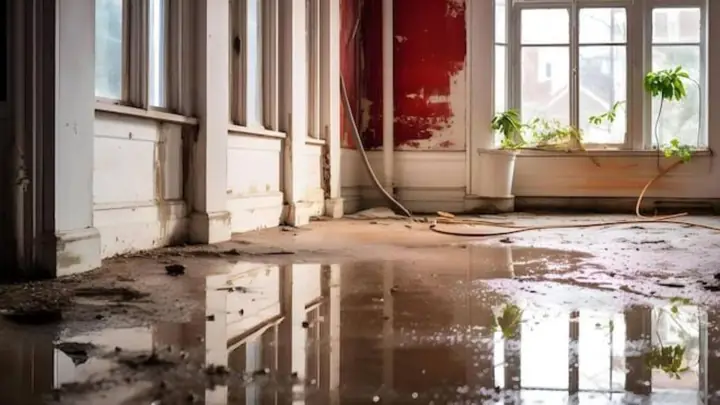
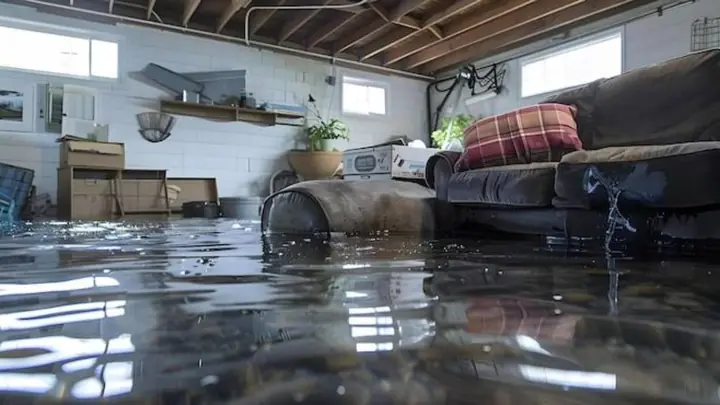
The causes repeat from town to town. Older houses have older supply lines and drain pipes, and finished basements hide leaks until a smell or a stain shows up. Rental housing near campus sees heavy appliance and plumbing use, and commercial buildings along Route 1 share walls and roofs, so one leak can reach neighboring units. Storm runoff adds a second pattern, because several creeks and drainage paths cross this part of Prince George's County.
Because of that, the first call usually settles two things. One is whether the water is clean, gray or contaminated, and the other is whether it is still coming in. Those answers decide the first hour of work, whichever town the job is in.
Planning Ahead for Storm Season
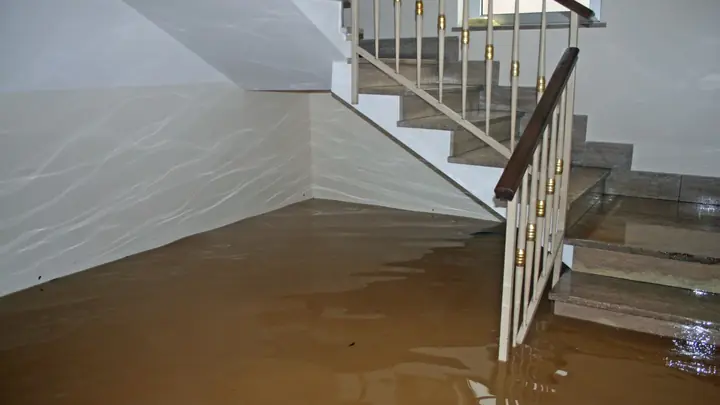
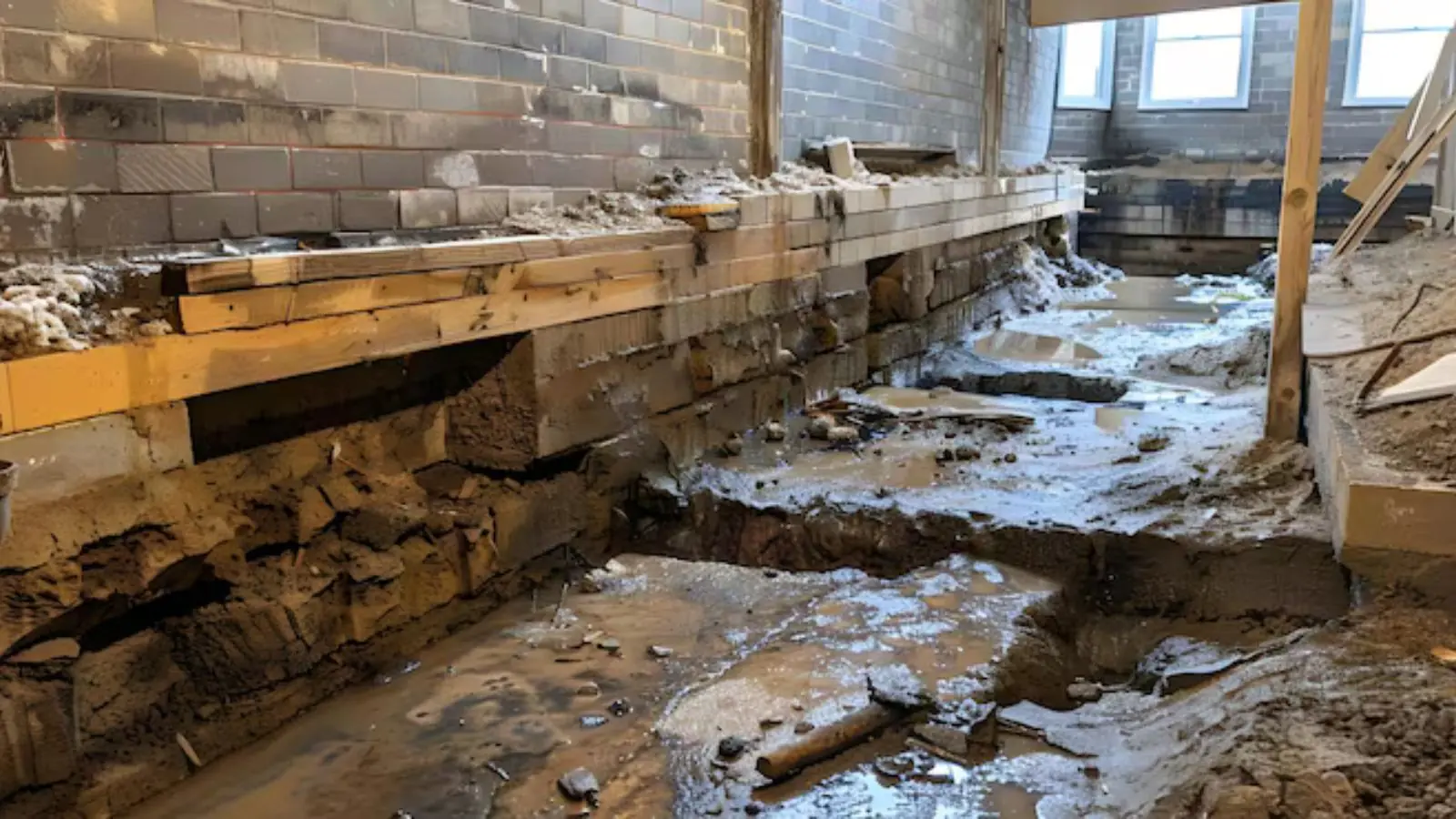
Most storm-related calls come after heavy rain, when water enters through basement windows, foundation cracks or backed-up drains. A few habits lower the risk. Keep gutters and downspouts clear, direct them away from the foundation, and test a sump pump before the wet months if you have one. Check the FEMA flood map for your address, and ask your insurer about flood and sewer backup coverage, which are often separate from a standard policy.
If water does get in, the same rules apply everywhere: stay out of wet areas with live electricity, take photos before moving anything, and call the 24/7 line.
Commercial and Rental Properties
Landlords, property managers and business owners across these towns can use the same line. Shared walls, shared roofs and multiple tenants make documentation important, so photos, readings and notes are kept for the owner and the insurer.