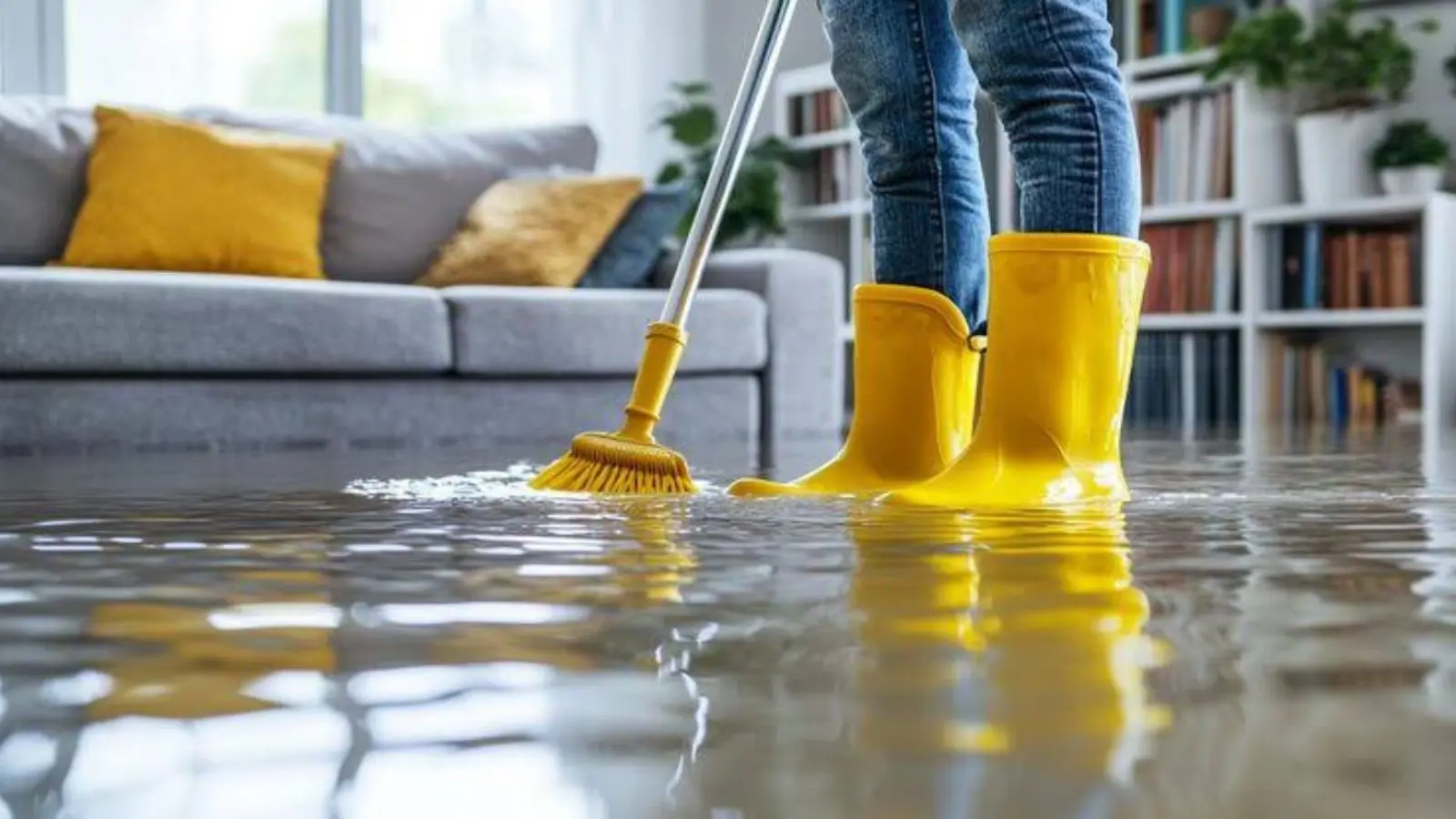
The water has stopped, but the cleanup cannot wait, and the 24/7 line is open now. Water that has been standing in a room for a day or two starts to soak carpet pad, swell baseboards and leave a sour smell. While you wait for help, keep people and pets off wet floors, open windows if it is safe, and take photos of everything before anything is thrown out.
Water damage cleanup in College Park is the stage after the leak is stopped and the standing water is out. It covers removing materials that cannot be dried, cleaning and sanitizing what remains, and clearing odors so the building can be dried and rebuilt. It sits between emergency water removal and water damage repair.
What Gets Removed and What Gets Saved
The deciding factors are the kind of water and how long materials stayed wet. Clean water that is caught the same day leaves far more salvageable material than contaminated water that sits for days. A technician checks each material with a moisture meter and does not rely on appearance alone.
| Material | Clean water, caught early | Contaminated or long-soaked |
|---|---|---|
| Carpet | Often lifted, dried and reinstalled | Usually removed and replaced |
| Carpet pad | Often replaced even when carpet is saved | Replaced |
| Drywall | Dried in place if firm and not swollen | Cut out past the wet line |
| Baseboards and trim | Removed, dried and reset | Replaced if swollen or stained |
| Upholstery and mattresses | Cleaned and dried if clean water | Discarded after photos |
| Insulation | Rarely saved once wet | Removed |
General guidance only. Site readings and the water category decide each item.
Sanitizing and Deodorizing After the Water Stops
Once wet materials are out, hard surfaces and framing are cleaned with detergent and water and then dried completely. The EPA recommends scrubbing mold and grime off hard surfaces with detergent and water, and says that biocides such as chlorine bleach are not recommended as a routine part of mold cleanup. Technicians use antimicrobial products where the water category calls for them, and follow the label.
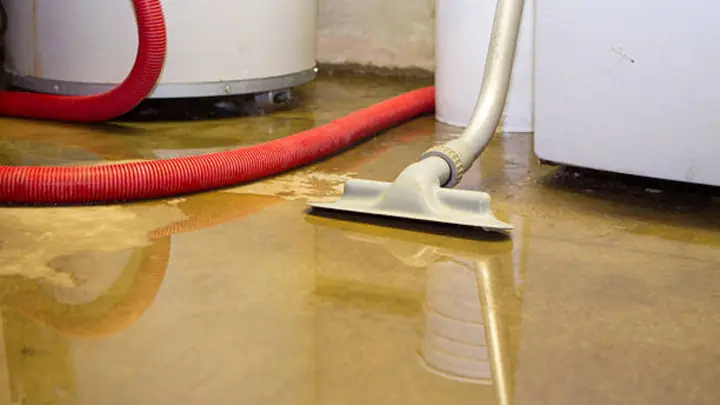
Odor is a sign that moisture or contamination is still present. Air scrubbers and thorough drying clear most smells. Deodorizing without drying only hides the problem, and the smell returns the first humid week.
What to Keep, Clean or Throw Away
FEMA advises documenting damage with photos and video first, then discarding flooded items that pose a health risk, such as food, pillows, cushions and clothing. It also advises keeping receipts and checking with your insurer before you sign a cleanup or remediation agreement. Samples of damaged carpet or fabric can help show the type and quality of the material.
- Take photos and video of every wet room and item before moving anything.
- Set aside items that are clean and can be dried, and move them to a dry room.
- Discard food, porous soft goods and anything that touched sewage or flood water after documenting it.
- Keep receipts for cleanup, storage and replacement, and write down the date and time of each step.
Not sure what to keep or throw away? Call and describe what got wet.
☎ Call (301) 936-0619If the Water Was Contaminated
Sewage, creek water and long-standing water are Category 3 under the S500 standard and need a different plan. Porous materials that touched this water are usually removed, not cleaned. The people doing the work wear protective gear, and the area is sealed off from living spaces while it is cleaned.
Stay out of contaminated water
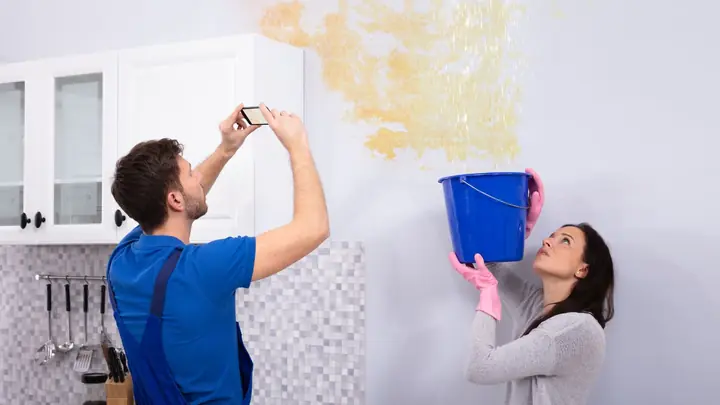
Do not wade into sewage or flood water, and do not run fans or vacuums in it. Keep children and pets out. If electrical equipment is under or near the water, call the electric utility or 911 before anything else.
For a sewer backup in a WSSC Water service area, the utility's 24-hour sewer backup line is 301-206-4002. Call before you clean so the situation can be documented.
Cleanup Across College Park Homes and Rentals
In student-heavy blocks around campus, a failed washing machine hose or refrigerator ice-maker line often wets a kitchen floor, the ceiling below and the unit next door. Each unit has its own set of materials to evaluate. If you rent, tell your landlord in writing, send them your photos, and keep copies.
In older neighborhoods such as Old Town and Calvert Hills, plaster, hardwood and old subfloors respond differently from new drywall and laminate. Old Town is a historic district, and the City says its residents follow the district's Design Guidelines for work on a home or lot. Ask the City's Planning and Community Development department before changing exterior features during cleanup.
What Drives the Cost of Cleanup
Three factors dominate. The water category sets the protective gear and the list of materials that must go. The affected area and the number of rooms set the labor. Disposal and sanitizing needs set the rest. If drying is needed, equipment days are added.
No exact prices appear on this site, because a figure without a site visit is a guess. Scope and price are explained before work starts. For insurance, check your policy and ask your insurer, since sudden and accidental damage is often covered and gradual leaks often are not. If a loss involves mold, mold remediation takes over, and Beltsville is served by the same crews.
Water Damage Cleanup Questions
Yes. The 24/7 line is answered nights, weekends and holidays. Call (301) 936-0619 and describe the damage. Same-day response is offered when available, with no promised arrival window.
As soon as possible. The EPA advises drying water-damaged areas and items within 24 to 48 hours to prevent mold growth, and cleanup of wet materials has to happen before drying can finish.
Small clean-water spills on hard floors are often fine to handle yourself. Larger areas, wet drywall or insulation, or any sewage or flood water should be handled by a professional with the right protective gear.
Yes, when readings and the water category show they cannot be dried in place. A technician explains which materials come out and why before work starts.
Coverage depends on the cause and your policy. Sudden and accidental damage is often covered, while flood damage usually needs separate flood coverage. Check your policy and ask your insurer before signing any cleanup agreement.