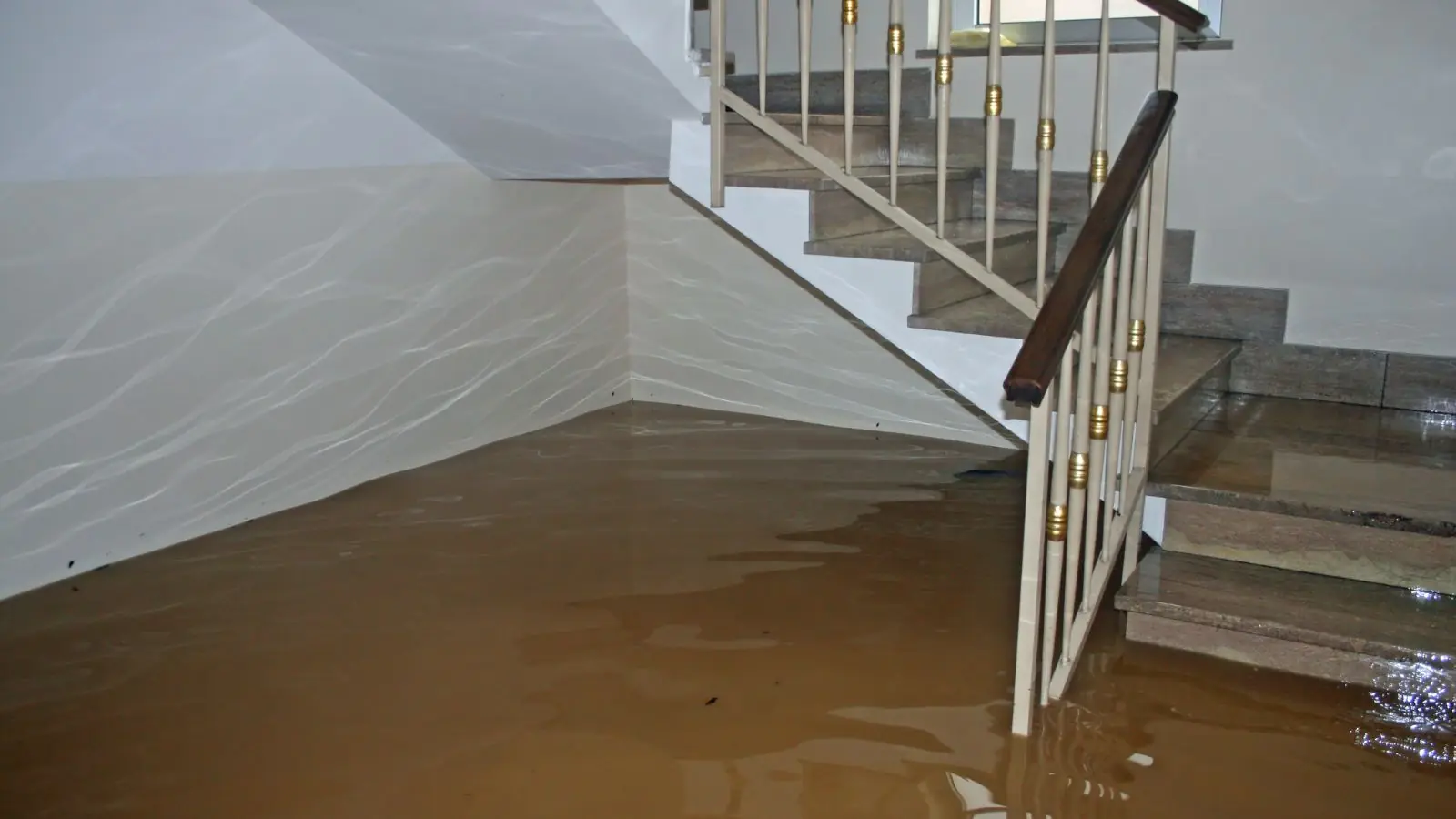
If waste water is coming up through a drain right now, stay out of it, keep children and pets away, and call the 24/7 line at (301) 936-0619. The cleanup starts with stopping people from walking through it and carrying it into clean rooms. The sewer utility and a plumber deal with the pipe. We deal with what the water touched.
Sewage backup cleanup is the removal of contaminated water and the materials it soaked, followed by cleaning, sanitizing and drying. It is separate from a clean supply-line leak, because the water is treated as grossly contaminated from the moment it arrives.
How a Sewage Backup Happens in College Park Homes
Wastewater leaves a house through a lateral, the pipe that runs from the building to the sewer main under the street. A backup happens when something stops that flow. The blockage can sit in the lateral on your property, or further along in the main. Which one it is decides who has to clear it.
The lowest drain in the house gives way first, because that is where the water finds the easiest exit. In a College Park basement that is usually a floor drain, a laundry standpipe, a basement shower or a tub. Upstairs fixtures stay quiet while the lowest one overflows.
| Where the blockage is | What you usually see | Who clears it |
|---|---|---|
| Lateral on your property | One house backs up, neighbors are fine | A registered plumber hired by the owner |
| Shared lateral or main | Several homes on the street back up | The sewer utility after a report |
| Branch line inside the house | One fixture drains slowly or gurgles | A plumber, often without any floor water |
| Storm surge into the system | Backups during or right after heavy rain | Utility review plus a plumber |
General pattern only. The utility decides responsibility after it reviews the line.
Signs the Water Came From a Drain, Not a Pipe
A supply leak is clear water that stops when you shut a valve. A drain backup is cloudy or dark, it keeps rising or returns after you stop using water, and it carries a strong smell. Toilets that bubble when you run the washer, and floor drains that gurgle, point to a blocked lateral.
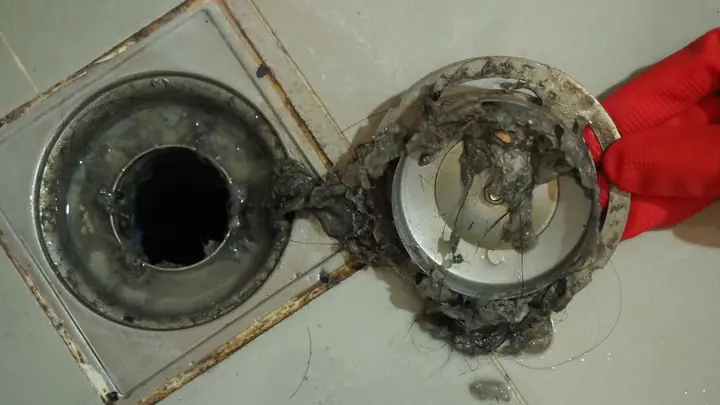
Look for a ring on a basement wall that shows the high point, wet carpet near a drain, and paper or debris left on the floor after the level drops. Tell us about each of these when you call, because they change the plan.
First-Hour Safety Steps for a Sewage Backup
Treat everything the water touched as contaminated. Do not wade through it in bare feet, and do not use a household vacuum on it. The steps below protect people and slow the spread while help is on the way.
- Keep people and pets out of the wet area and out of rooms that connect to it.
- Stop using sinks, tubs, showers, toilets and the washer so no more water enters the line.
- If water has reached outlets, appliances or the panel, get out of the room and phone the electric utility or 911.
- Gas odor means you go outside first and dial 911 from there.
- Call WSSC Water's 24-hour sewer backup line before you clean so the event is on record.
- Take photos and video of the water, the drains and every affected item before anything moves.
Water coming up through a drain? Call the 24/7 line and we will walk you through the first steps.
☎ Call (301) 936-0619Who to Call First in Prince George's County
WSSC Water says the owner is responsible for the sewer service between the property line and the building, and that WSSC reviews the sewer history to decide whether a blockage is the owner's or the utility's. Its 24-hour backup number is 301-206-4002.
WSSC also says that only WSSC Water-registered plumbers or drain cleaners may work on these lines in Prince George's County. If roots or a broken WSSC pipe caused the problem, it lists a WSSC claims office for possible reimbursement.
Heavy rain can overload drains too. Council minutes dated January 11, 2021 recall the storm of September 10, 2020 in Calvert Hills, when some homes took in rainwater and others had sewage return through drains.
How We Clean Up After a Backup
The crew arrives in protective gear and sets up containment before anything is moved. Plastic barriers and a negative air machine with HEPA filtration keep dust and odor from traveling into rooms that stayed clean. Foot traffic is routed through one path.
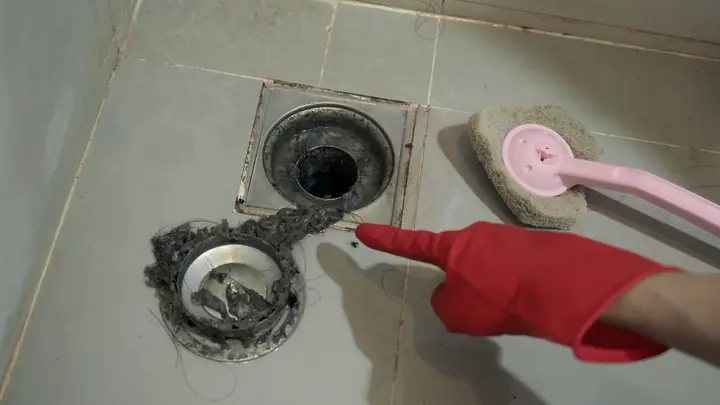
- Pump or extract the standing water with a truck-mounted or portable extractor and dispose of it correctly.
- Remove porous materials the water touched, such as carpet, pad, insulation and soaked drywall, and bag them on site.
- Wash hard surfaces and framing with detergent, then apply a sanitizer suited to the surface.
- Dry the structure with air movers and low-grain refrigerant dehumidifiers, checking moisture meters until readings match dry reference materials.
- Run air scrubbers to clear airborne dust and odor before the containment comes down.
ANSI/IICRC S500 is the industry reference that classes sewage and flood water as Category 3. That class is why carpet and pad are removed instead of cleaned. A thermal camera helps find wet wall cavities that look dry from the surface.
What Changes the Cost of Sewage Cleanup
Price follows the size of the affected area, how long the water sat, and how many materials must be removed. Finished basements with carpet, pad and drywall cost more to restore than bare concrete with a floor drain. Access, drying time and the number of rooms the water crossed also matter.
No prices are posted here because they depend on what we find. Scope and price are explained before work starts, so you can compare them with your insurer's view before anything is removed.
Insurance and Sewage Backups
Many homeowners policies treat drain and sewer backup as a separate coverage, often sold as an endorsement. Whether yours includes it depends on the wording, so check your policy and ask your insurer before you assume either way. Sudden backups and gradual seepage are usually handled differently.
Your insurer will want photos, a description of what happened, and receipts. We keep moisture readings, dated photos and a list of removed materials. That record helps whoever reviews the claim, whether it is your insurer or the utility.
Mistakes to Avoid After a Backup
The most common mistake is cleaning it yourself before anyone has documented it. Mopping and bagging carpet may feel responsible, but it spreads contamination and destroys the evidence a claim needs.
- Do not run a wet vac or household vacuum on the water.
- Do not flush or run water to see whether the drain has cleared.
- Do not mix cleaning chemicals.
- Do not move soaked boxes and furniture into clean rooms.
- Do not wait for the smell to fade. The materials still need to come out and dry.
Once the water is out, a plumber must still clear the line, or the same backup returns. For related work see flood damage restoration and water damage cleanup. Neighbors in Hyattsville and Greenbelt call the same line.
Backup cleaned up but still smells? Call and describe what you see and where.
☎ Call (301) 936-0619Sewage Backup Questions
Yes. The 24/7 line is answered nights, weekends and holidays at (301) 936-0619. Same-day response is offered when available, and no arrival time is promised on the phone. Stay out of the water and call WSSC Water's backup line before you clean.
WSSC Water says the owner maintains the service from the property line to the building, and WSSC reviews the history to decide whose blockage it is. We do not decide that. We dry and restore your home.
We advise against it. Contaminated water soaks into porous materials and spreads when it is mopped. Call first so a crew can say what must be removed, and keep photos.
Carpet, pad, insulation and drywall that touched Category 3 water are normally removed and replaced. Hard surfaces and framing are cleaned, sanitized and dried.
It depends on your policy. Backup coverage is often an endorsement, so check your policy and ask your insurer. We provide photos, moisture logs and a materials list.