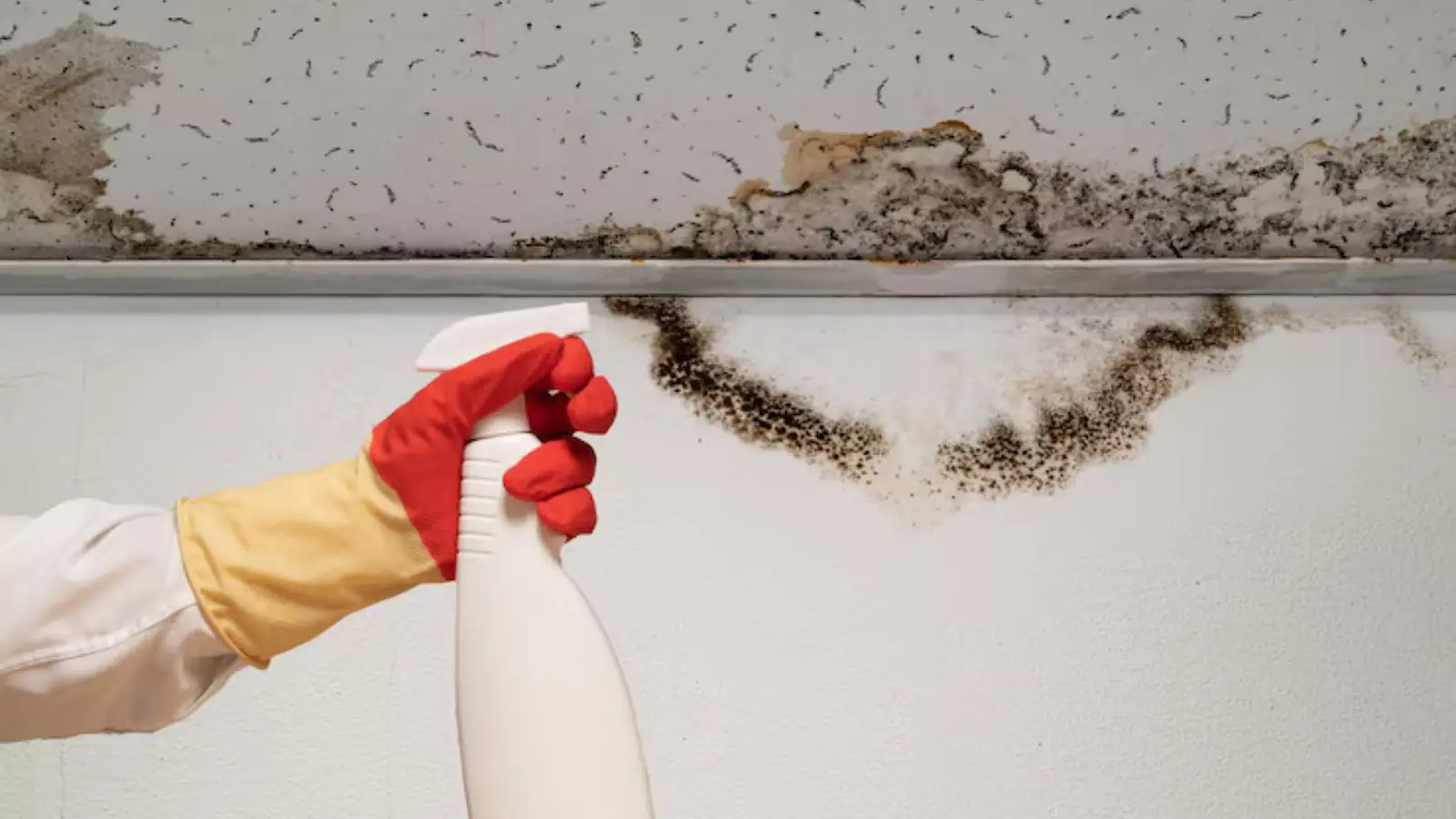
A dark patch on a ceiling gets attention fast, and the word mold usually comes up within seconds. Sometimes it is right. Sometimes the spot is dust that collected around a vent, soot from a candle, or an old water stain that has dried to a dark ring. The way to tell them apart is to look at where the spot is, how it behaves and what is happening above it.
This guide is about recognition and first steps. It does not diagnose illness and it does not replace a testing or remediation professional. Its aim is to help you avoid the two common mistakes, which are wiping a patch and spreading it, or ignoring a wet ceiling and letting the problem grow.
What Mold on a Ceiling Usually Looks Like
Mold on a painted ceiling often appears as speckles or irregular patches in black, dark green, gray or brown. It can look fuzzy or slightly raised, and it often clusters near corners, around bathroom fans and along the line of a joist. Color alone does not tell you the type. Many molds are dark, and the word black mold is a casual label, not a diagnosis.
- Spots that spread or darken over a few weeks.
- A musty or earthy smell that is stronger near the ceiling.
- A stain with a ring or tide mark, which points to water.
- Paint that bubbles, peels or feels damp near the spot.
- Patches in the same place after you cleaned and repainted.
A dry, dusty smudge near a supply vent, with no smell and no ring, is more likely dirt. A spot over a shower, above a kitchen sink or below a bathroom floor is more likely moisture related.
Why Mold Grows on Ceilings
Mold needs moisture, a food source and time. A ceiling provides the food, since paper-faced drywall and dust are enough. The moisture comes from one of a few places: a roof leak, a plumbing leak in the floor above, steam from a shower with weak ventilation, or humid air meeting a cold surface.
| Pattern on the ceiling | Most likely moisture source | First thing to check |
|---|---|---|
| Spots over a shower or tub | Steam with weak ventilation | Does the fan vent outdoors and run long enough? |
| Ring stain with dark center | Leak from above | Pipes, roof, or the bathroom overhead |
| Speckles across a cold corner | Condensation on a cold exterior surface | Insulation, air sealing and indoor humidity |
| Patch under an attic | Roof leak or ventilation issue | Roof flashing, vent boots and attic airflow |
| Spots near a vent | Condensation in ducts or dust | Duct insulation and vent cleanliness |
A pattern points to a source. Fixing the source comes before cleaning the ceiling.
The EPA advises keeping indoor humidity below 60 percent, ideally between 30 and 50 percent. A cheap hygrometer shows your actual number and is a useful tool in a bathroom or a basement.
What Not to Do
- Do not scrub or sand a patch. That can release spores into the room.
- Do not paint over it. Paint hides the patch without removing the cause, and the spot often returns.
- Do not mix bleach with other cleaners.
- Do not poke at a bubbling or sagging ceiling. Water may be sitting above it.
- Do not run a fan that blows across the patch into other rooms.
Not sure what the spots are? Call the 24/7 line and describe where they are and what is above them.
☎ Call (301) 936-0619Safe First Steps
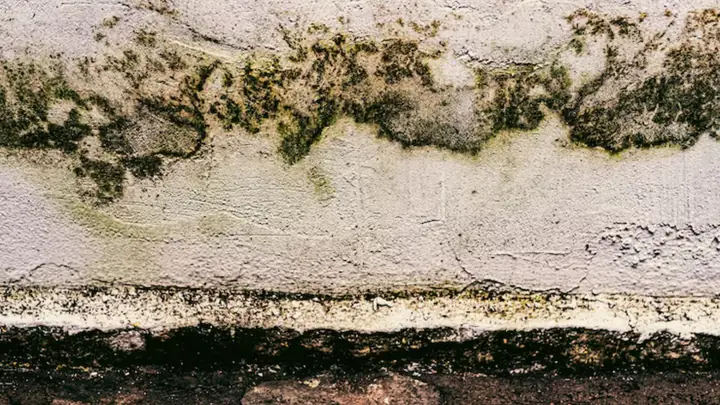
Look for water
Check the room above, the attic and the roof line. A damp or stained area is evidence the problem is active.
Stop the moisture
Fix a plumbing leak, run the bathroom fan after showers, and use a dehumidifier in humid months. Nothing else works if moisture continues.
Photograph it
Take clear photos with a coin or ruler for scale and date them. They help you track change and support an insurance claim.
Limit the area
Keep children and pets out of the room if the patch is large, close the door, and avoid disturbing it.
Call for an assessment
A mold remediation team can judge the size, the cause and whether containment is needed.
Small Patch or Professional Job?
Guidance from the EPA says that mold covering a small area, around ten square feet or less, can often be handled by a household with proper care. Larger areas, mold that returns, mold with a sewage or flood water source, and any case with a hidden moisture problem are better handled by trained people. The ceiling is also a poor place to improvise, since cleaning overhead drops debris into your face and into the room.
Our mold remediation service starts by finding and correcting the moisture source. Containment, HEPA air filtration and removal of damaged material follow when needed. Industry practice is published in the ANSI/IICRC S520 standard, and it is fair to ask any company whether its crews work to it.
A Local Note From College Park
College Park sits where Paint Branch and Indian Creek meet to form the Northeast Branch of the Anacostia River, and the University of Maryland covers about 41 percent of the city's surface. In a place with this much creek-side humidity and a lot of rental turnover, a bathroom fan that vents outdoors and a log of when a stain first appeared are simple ways to protect both a home and a deposit.
After the Cleanup
Once the source is fixed and the area is dry, damaged drywall is cut out and replaced, then primed with a stain-blocking primer. Skipping the dry confirmation is the main reason mold comes back. Drying readings should be recorded before anything is closed up, in the same way they are for a wet wall.
Homes in Beltsville and Hyattsville call the same line. If your ceiling has a growing patch, a smell or a stain that keeps returning, an assessment is the clear next step.
How to Keep Ceiling Mold From Coming Back
Prevention is mostly about moisture control. Run the bathroom fan during every shower and for a while afterward, and make sure the duct actually vents outdoors and not into the attic. Fix dripping fixtures and slow roof leaks as soon as you see a stain. In humid months, a dehumidifier in the bathroom, basement or any closed room helps keep the number in the range the EPA suggests.
Keep furniture and boxes a few inches off exterior walls so air can move, and wipe condensation from windows and cold surfaces. If a ceiling stain returns after repainting, treat that as proof that the source is still active. Painting again is not the answer, and a closer look at the room above or the roof is.
If you are renting, tell your landlord in writing as soon as you see a spreading patch and keep a copy of your photos. Early notice protects you and gets the moisture source looked at while it is still small. A technician can walk you through this on the phone, and the scope and price are explained before any work starts.
Dark spots getting larger? Call now and we will explain what to do before anyone touches them.
☎ Call (301) 936-0619Questions About Ceiling Mold
No. Dust, soot, old water stains and paint defects can look similar. A smell, a ring, a damp feel or spots that spread point toward mold or an active moisture source.
Bleach is not a good general answer on porous materials like drywall. Never mix it with other cleaners, and if the patch is large or keeps coming back, have it assessed.
Often the visible growth and the moisture source tell enough of the story. Testing can help in specific cases, and a remediation team can explain whether it adds anything in yours.
It depends on the cause and your policy. FEMA notes that NFIP flood policies do not cover mold damage, and homeowners coverage depends on the cause. Check your policy and ask your agent.
Steam and weak ventilation are the usual reasons. A fan that does not vent outdoors or does not run long enough leaves moisture on the ceiling surface.