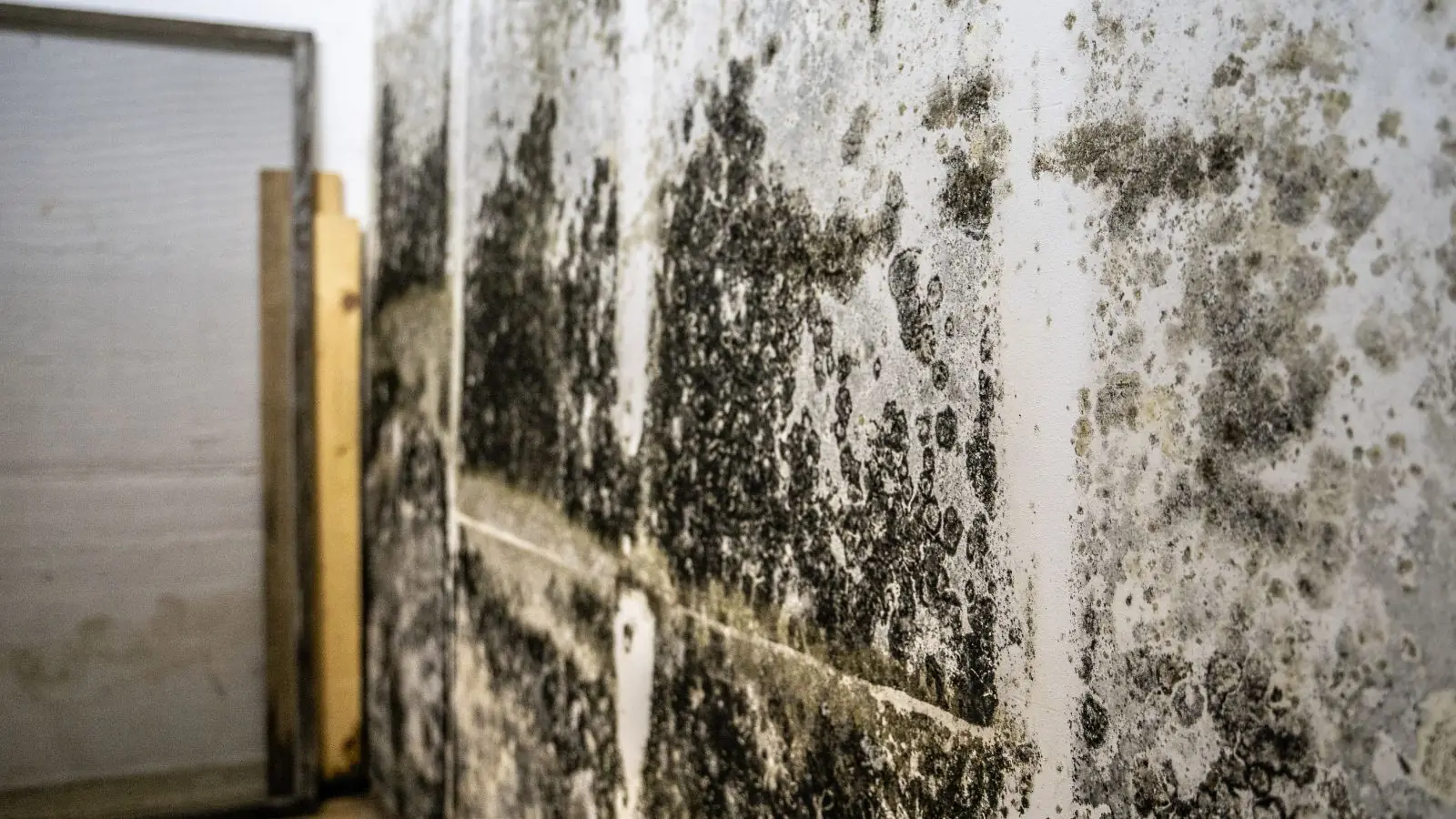
People search for a number, and a number is exactly what a responsible company should not give without seeing the basement. Mold jobs range from a small patch behind a stored box to a finished space where drywall, carpet and framing are involved. Instead of guessing a figure, this guide explains what changes the scope, which in turn changes the price.
Understanding those factors helps you read a written scope, compare two bids fairly and spot the one that leaves out a step. No prices appear on this page, and none are posted anywhere on this site, because a price without a site visit is a guess.
The Cost Factors, in Plain Terms
| Factor | Why it changes the scope | What the crew looks at |
|---|---|---|
| Size of the affected area | More surface means more labor, containment and materials | Square footage of visible growth and wet material |
| Material involved | Porous drywall and carpet are removed, while concrete and framing can often be cleaned | What the mold has grown on and how deep it goes |
| Moisture source | Mold returns if the source continues | Leaks, grading, window wells, humidity and condensation |
| Containment needs | Sealing off the area and filtering air adds equipment and time | Whether disturbance could spread spores to living space |
| Finished or unfinished | Finished walls and ceilings hide more growth and cost more to rebuild | Drywall, insulation, paneling and trim |
| Water category | Flood or sewage water adds safety and disposal steps | Where the water came from and how long it sat |
| Rebuild included or not | Many mold quotes cover removal only | Whether drywall, paint and flooring are part of the scope |
| Testing or clearance | Post-work verification adds a step | Whether a third party is checking the result |
Factors overlap. A technician explains which apply to your basement.
Why the Moisture Source Matters Most
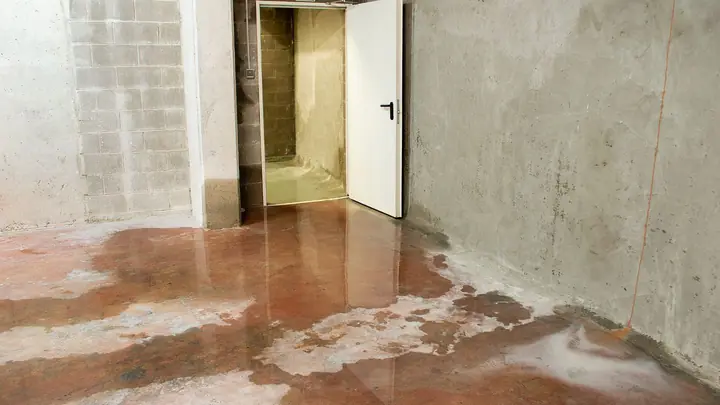
A basement is a below-grade space, and below-grade spaces stay damp for reasons that have nothing to do with a single event. Water can enter through a crack at the footing, a window well that fills, a sump pump that fails, or a sewer line that backs up. Humid summer air also condenses on cool concrete. If none of those are addressed, cleaning the mold only resets the clock.
That is why a credible scope names the source. We do not waterproof basements or repair foundations, so if water keeps coming in from outside, you need a waterproofing or foundation specialist alongside remediation. We would rather tell you that on the phone than leave you with a clean wall that grows spots again by spring.
Want to talk through a basement scope? Call the 24/7 line and describe what you see and what has been wet.
☎ Call (301) 936-0619What a Written Scope Should Contain
- The affected area described in rooms or square feet, with photos.
- The cause of moisture and what will be done about it, or who else must do it.
- Containment method, air filtration and how the area will be sealed.
- Which materials will be removed and which will be cleaned.
- Whether the price includes disposal, drywall, paint and flooring, or removal only.
- How completion will be checked and documented.
- A statement of what is not included.
Industry practice for mold is published in the ANSI/IICRC S520 standard. Asking a company whether its crews work to it is reasonable, and a clear answer is a good sign. A bid that is only a lump sum with no scope is not enough to compare.
Questions That Expose a Vague Estimate
- What exactly will be removed, and what will be cleaned and kept?
- How will the area be contained, and what filtration will run?
- What happens if more mold is found behind the wall?
- Does this price include rebuilding, or is that separate?
- How will you show me the area is dry and the work is finished?
A company that answers these clearly is giving you something to compare. One that dodges is giving you a number with nothing behind it.
Insurance and Flood Policies
Coverage varies with the cause of the water and the terms of your policy, so check it and ask your agent. FEMA notes that National Flood Insurance Program policies do not cover mold damage. Coverage under a homeowners policy depends on the cause. We document the loss with photos, readings and notes, and your insurer decides coverage.
A Local Note From Calvert Hills
On September 10, 2020, a heavy rain event flooded parts of Calvert Hills. City Council minutes from January 11, 2021 describe stormwater entering houses and, in some cases, sewage backing up through drains. A basement that took on water that way is a different job from one with condensation on a wall, because flood and sewage water add safety and disposal steps. For an address-specific question, look up the property on the FEMA flood map.
A Practical Way to Compare Two Bids
Lay the scopes side by side and check whether they cover the same rooms, the same containment and the same finish work. A lower number that leaves out the rebuild is not cheaper. If one bid lists moisture correction and the other does not, the second may be quietly passing a recurring problem to you.
Our mold remediation page explains how containment, removal and drying are sequenced. If the basement also took on standing water, flood damage restoration covers extraction and contaminated water. Homes in Greenbelt and Beltsville use the same line.
Basement Habits That Reduce the Risk
A few ordinary habits lower the chance of a repeat. Keep stored items on shelves instead of directly on the floor, and leave space between boxes and walls. Check the sump pump before the wet season and make sure the discharge line carries water away from the foundation. Clean gutters and extend downspouts, since water that pools next to the wall tends to find its way inside.
Use a hygrometer to track humidity, and run a dehumidifier when it climbs above the range the EPA suggests. Watch for musty smells after storms, because a smell often shows up before a stain does. None of this replaces fixing a real water entry point, but together these habits make a cleaned basement much more likely to stay clean.
What to Do Before the Estimate Visit
Photograph every wall and corner, note when each area was last wet and keep a list of what you have already removed or moved. If there is standing water, say so on the first call. Standing water changes the order of work, since extraction and drying come before any mold step. Being ready with these details makes the visit shorter and the written scope more accurate.
If you are comparing bids, remember that the cheapest scope on paper is often the one with the most exclusions. Read the exclusions line first, then the inclusions. A technician can walk you through this on the phone, and the scope and price are explained before any work starts.
Finally, ask how the crew will protect the rest of the house while they work. Plastic sheeting, a negative air machine and sealed doorways keep dust and debris from moving upstairs, and a scope that skips them is leaving a risk to your living space unaddressed. These items cost money, which is one more reason they belong in writing.
Ready for a scope you can read? Call and describe the basement. A technician explains what drives the work before anything starts.
☎ Call (301) 936-0619Questions About Basement Mold Cost
No. We explain the factors that decide the scope, and the price comes after a technician sees the basement.
Usually, but the material and the moisture source matter as much as size. A small patch on drywall behind a finished wall can need more work than a larger patch on bare concrete.
Often not. Removal and rebuild are separate scopes, so ask whether drywall, paint and flooring are included.
FEMA notes that NFIP flood policies do not cover mold damage. Other policies depend on the cause, so check yours and ask your agent.
It is a reminder that water can enter fast and sit. Basements that took on stormwater or backed-up drain water need extraction and safe handling before mold work begins.