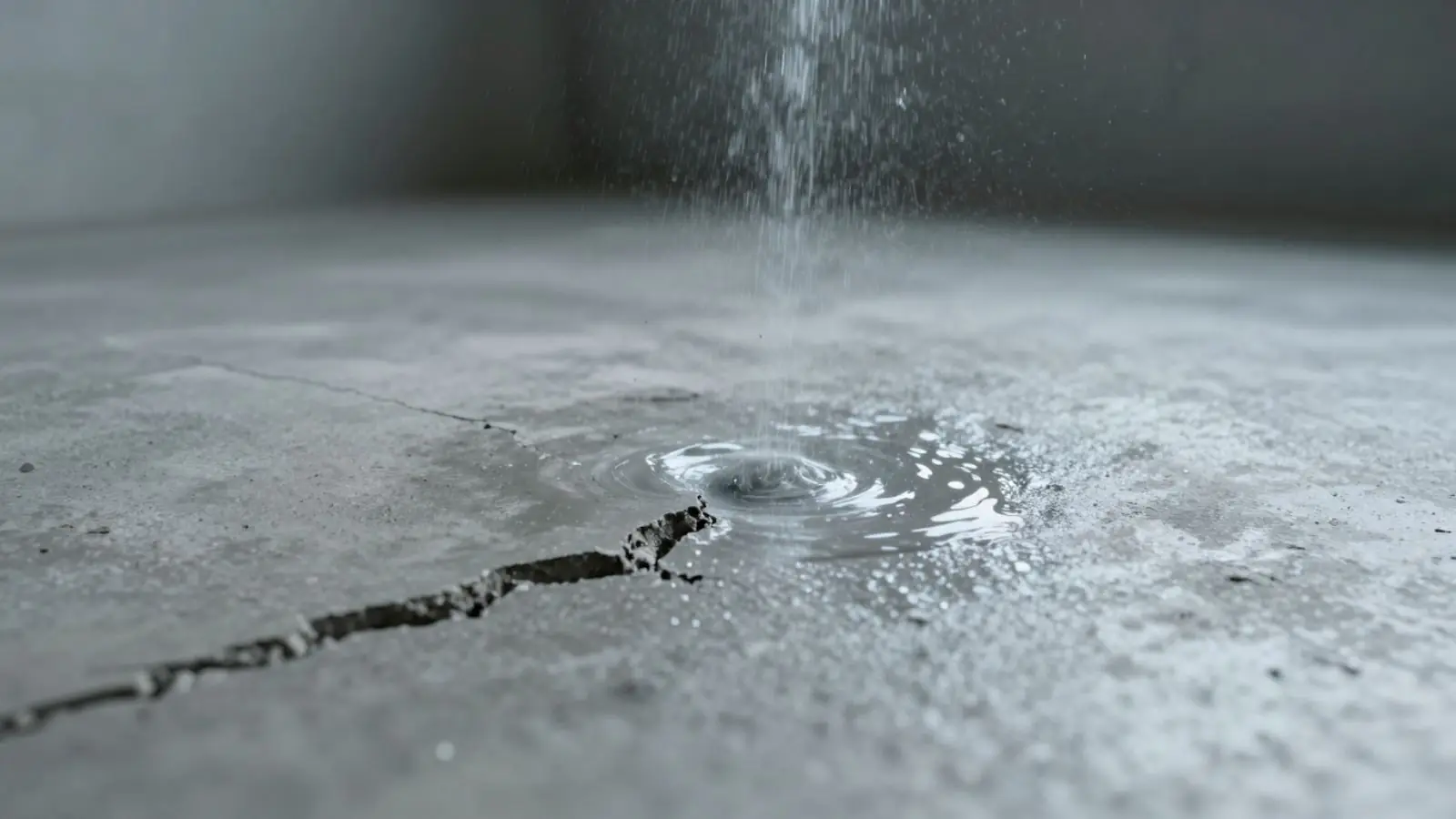
A slab leak is a leak in a water supply line that runs under or inside a concrete floor slab. It is a plumbing fault, and a plumber has to find it and repair it. What we do is handle the water the leak left in your floors, walls and finishes. We say plainly below how much we can and cannot tell you about how common this is in College Park.
How Common Is a Slab Leak in College Park Housing?
We cannot give a local count of homes built on a slab. None of the primary sources we checked, including the U.S. Census Bureau, publish that figure for College Park, so we will not guess. What we can say is that in a home with a basement or crawl space, supply lines are often in view, so a leak tends to show up sooner than one under a slab.
A slab leak can occur wherever a home, an addition or an apartment building has a concrete floor with supply pipes under or in it. If your home has a basement, your more likely problem is one of the causes covered on our basement water damage page. If a supply pipe in the wall or ceiling failed, the better match is our burst pipe water damage page.
What We Could Verify
According to the U.S. Census Bureau's 2020 count, College Park has 11,539 housing units, and 6,652 of the 9,606 occupied units are rented. In a rental, a leak under the floor is a matter for the landlord, so report it in writing.
Prince George's County states that all plumbing permits are issued by the Washington Suburban Sanitary Commission, not the county permit office, and that water heater work needs a permit. Ask your plumber what permit applies to a slab line repair.
The Maryland Insurance Administration says that for a burst pipe a homeowners policy generally covers the water damage but generally not the repair or replacement of the pipe, and it treats seepage problems as maintenance issues.
Signs That a Supply Line Under the Slab May Be Leaking
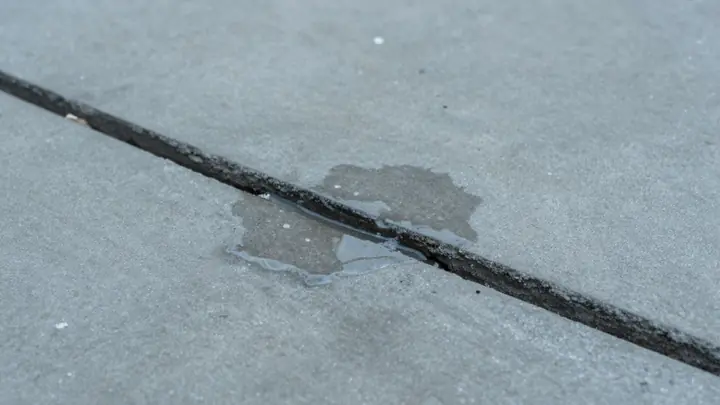
A slab leak rarely announces itself. Look for patterns, and treat any of these as a reason to have a plumber check.
| Sign | What it can mean | What to do |
|---|---|---|
| Warm or hot spot on a floor | A hot water line leaking under the slab | Call a plumber, keep people off the spot |
| Water bill rises with no change in use | A running leak somewhere in the supply system | Check the meter with every tap off |
| Sound of running water when nothing is on | Flow in a pressurized line | Shut off the main and listen again |
| Damp or lifting flooring | Moisture rising through the slab | Moisture readings before any new flooring |
| Damp baseboards or musty smell at floor level | Water wicking into wall bottoms | Open and dry the wall base |
| Low water pressure | Loss somewhere in the line | Plumber check |
General guidance only. Only a plumber's leak detection confirms a slab leak.
First Hour Safety Steps for a Suspected Slab Leak
Shut the water and stay off the floor
Close the main water shutoff, usually where the line enters the house. If you hear running water afterward, the problem may be elsewhere, and a plumber can tell you. Do not touch outlets or appliances on a wet floor, and cut power at the panel only if you can do so while standing on a dry spot.
A hot water line under a slab can scald. Do not press your hand or foot on a hot floor spot for long, and keep children and pets off it.
- Read the water meter, wait an hour with every tap closed, and read it again.
- Photograph damp flooring, baseboards and any wet drywall with the date visible.
- Move rugs, boxes and furniture off the affected floor.
- Call a plumber for leak detection and call us for the drying.
Water on a concrete floor or a damp wall base? Call the 24/7 line and describe what you see.
☎ Call (301) 936-0619How We Dry Floors and Walls After a Slab Leak
We begin with moisture meters and a thermal camera to map how far the water spread from the leak point. Concrete holds water and releases it slowly, so the drying plan is long and patient. Wet flooring, carpet pad and the base of drywall are removed when they cannot be dried in place.
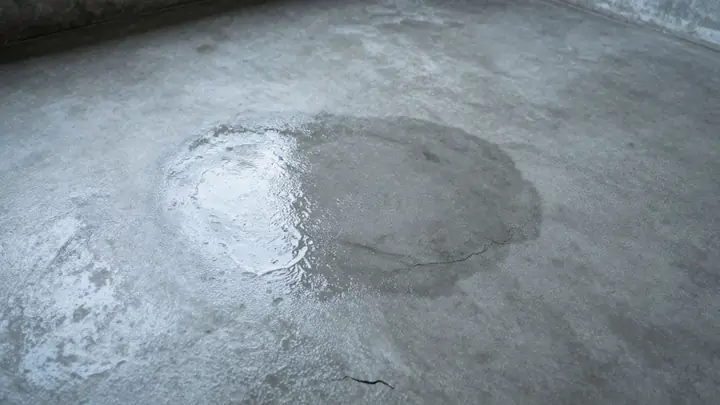
LGR dehumidifiers and air movers run against the floor and the lower wall cavities. We take readings daily and do not stop until the slab and the framing agree with a dry reference point. HEPA air scrubbers run while we cut and remove material. Flooring and wall finishes go back only after the readings are good.
We use ANSI/IICRC S500 as an industry reference. We do not find or fix leaks in pipes. That is for a plumber, and we tell you if the drying has to wait until the leak is repaired, since a wet slab cannot dry while a pipe still feeds it.
What Changes the Cost of Slab Leak Water Damage
- How long the line leaked before it was found.
- How many rooms of flooring sit over the wet area.
- Whether the slab is covered in tile, hardwood, laminate or carpet.
- The number of drying days, which depends on the slab's moisture.
- Whether the plumber opened the slab, which adds patch and finish work.
We explain scope and price before work starts, and we do not quote by phone.
Insurance and Slab Leaks
Insurance treatment of slab leaks varies, and wording about hidden or continuing leaks matters. A sudden failure is not treated the same as a leak that ran for a long time. The pipe repair itself is often separate from the water damage. Check your policy and ask your insurer before signing.
Mistakes to Avoid
- Ignoring a rising water bill.
- Laying new flooring over a floor that still reads damp.
- Running dehumidifiers for weeks while the pipe still leaks.
- Skipping the plumber, since drying alone will not stop the source.
We also serve Greenbelt and Beltsville. Call before new flooring goes back down.
Water bill climbing for no reason? Call and we will explain how we handle the damage side.
☎ Call (301) 936-0619Plumber already found the leak? Call us so the drying starts right away.
☎ Call (301) 936-0619Slab Leak Water Damage Questions
Yes, the line is open at all hours. We offer same-day response when available and do not promise an arrival time. Call (301) 936-0619, close the main shutoff and tell us what the floor looks like.
No. Leak detection and pipe repair belong to a plumber. We dry the floors and walls and rebuild the finishes.
We cannot give a local count. The sources we checked do not publish how many local homes sit on a slab. Homes with a basement or crawl space show supply-line leaks sooner.
Coverage depends on your policy. The Maryland Insurance Administration says a homeowners policy generally covers water damage from a burst pipe but generally not the pipe repair. Ask your insurer.
Prince George's County says WSSC issues plumbing permits. Ask your plumber which permit applies to your repair.