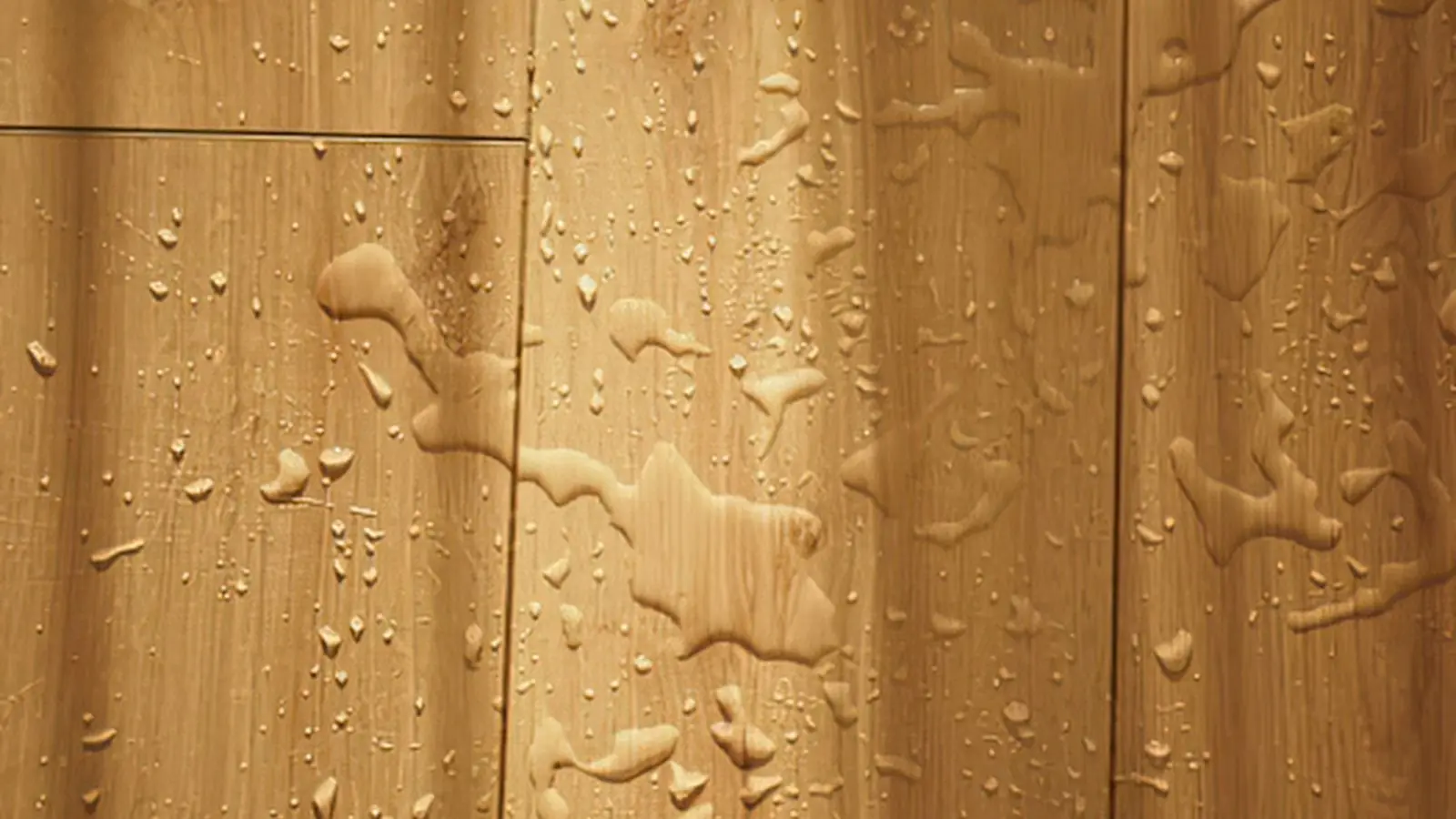
Wet hardwood looks alarming, and that is fair. Wood takes on water along its grain, swells, and then moves as it dries. The good news is that many floors are saved when water is caught early and removed with the right equipment.
The bad news is that the window is short, and a slow decision usually turns a salvage job into a replacement job. This guide explains how to judge your floor, what the first day should look like and what separates a floor worth saving from one that has to come up.
It is written for College Park homeowners and renters who have just found water on a wood floor, or who found it a few days ago and are wondering whether it is too late. The honest answer depends on three things: how long the boards stayed wet, what kind of water it was, and what is underneath them.
The First Hours Decide Most of It
The EPA advises drying water-damaged areas and items within 24 to 48 hours to prevent mold growth. Hardwood is one of the materials where that clock matters most, because the boards soak water from below and from the edges, not only from the surface. Water that sits on top of a sealed floor can often be wiped away with little harm. Water that gets into the seams or under the boards is a different problem.
In the first hour, stop the source if you can, remove standing water with towels or a wet vacuum, and lift rugs, furniture legs and anything that holds moisture against the wood. Do not use a heat gun or point a space heater at the boards. Fast, uneven heat can split the wood and crack the finish. Run a fan for air movement and leave the heavy drying to equipment.
What Cupping, Crowning and Buckling Tell You
Wood reacts to water in recognizable ways, and each one points toward a different outcome.
- Cupping means the board edges rise higher than the center. It happens when the underside holds more moisture than the top, and it often relaxes once the floor dries evenly.
- Crowning is the opposite, with the center higher than the edges. It sometimes appears after a floor that cupped is sanded too soon, while the boards are still wet.
- Buckling means boards have pulled up from the subfloor, often in a ridge. It is the most serious sign, and buckled boards are usually removed.
- Gaps between boards can show up after drying, because the wood shrinks as it loses water.
- Dark stains or a gray tint point to water that sat long enough to affect the wood itself and the finish.
Cupping alone is not a verdict. Many cupped floors flatten after controlled drying and a light refinish. Buckling, black staining or boards that have separated into layers are signs that replacement is more realistic.
Solid, Engineered and Laminate Floors Behave Differently
Before anything else, work out what you have. Solid hardwood is a single piece of wood and has the best chance of recovery because it can be dried and sanded several times over its life. Engineered hardwood has a thin wood layer glued over plywood or fiberboard.
The wood layer may look fine while the layers underneath swell and let go of the glue. Laminate is a photo layer over a fiberboard core, and fiberboard that swells does not return to its original size.
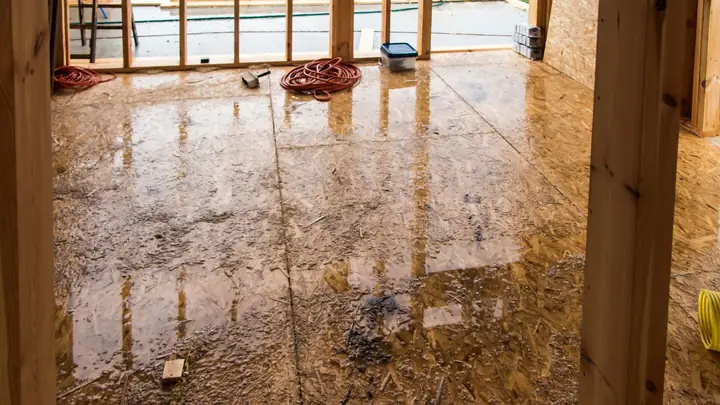
| Floor type | Chance of saving when wet | What decides it |
|---|---|---|
| Solid hardwood | Often good if caught early | How long it stayed wet and whether the subfloor dried |
| Engineered hardwood | Mixed | Whether the glue and lower layers separated |
| Laminate | Poor once the core swells | Edge swelling that stays after drying |
| Wood over a slab | Depends on the moisture reading | Whether moisture is trapped below the planks |
These are general patterns. A moisture reading on your own floor is what settles the question.
How Professionals Dry a Hardwood Floor
Drying hardwood in place is slower than drying carpet, and it is done in steps. A technician first takes moisture readings across the floor and the subfloor and marks where the wet areas end. Then standing water is extracted. After that, air movers and dehumidifiers are set up to pull moisture out of the boards, and in some jobs a drying mat system draws moisture through the surface with suction.
Sometimes a few boards are removed on purpose. That sounds drastic, but taking out a strip near a wall or a row of boards in the wettest spot lets air reach the subfloor and the joist bay below.
It also prevents a larger set of boards from being lost. Readings are taken again each day, and drying equipment stays until the numbers reach the dry standard for your type of wood. You can read more about how this stage works on our water mitigation page.
Not sure whether your floor can be saved? Describe it to a technician on the 24/7 line.
☎ Call (301) 936-0619A College Park Area Fact That Matters for Floors
Hyattsville's historic district includes Sears bungalows and Arts and Crafts houses built between the late 1910s and early 1940s, and many homes from that era in the area have solid wood floors over a crawl space or a basement. Floors over a crawl space can pick up moisture from below, so a damp crawl space is worth checking even when the leak you noticed was upstairs.
If you live in a house of that age, ask for a reading on the subfloor as well as the boards. See how we work in Hyattsville and nearby Greenbelt.
When Replacement Is the Better Call
Replacement is not a failure. It is sometimes the faster and cheaper path, especially when the water was dirty or the boards have been wet for more than a few days. Contaminated water from a sewage backup or a flood is treated differently than a clean supply line leak, and porous materials that touched it are normally removed rather than cleaned.
Another reason to replace is mold growth on the underside of the boards or on the subfloor. Mold on the surface of the finish can sometimes be cleaned, but growth beneath the boards means the section has to come up so the subfloor can be dried and treated.
Finally, consider the finished result. If drying leaves heavy cupping or gaps, you can sand and refinish and still not get a flat surface. A good technician will tell you that before work begins, not after.
What to Do While You Wait
- Photograph the floor from several angles, including any visible water lines or stains.
- Move furniture and rugs off the wet area, and put foil or plastic under heavy legs that must stay.
- Keep the room ventilated and the air conditioner or dehumidifier running if you have one.
- Do not seal the floor with wax, polish or new finish until readings show the wood is dry.
- Keep notes about when you found the water and what you did, since your insurer may ask.
On coverage, check your policy and ask your insurer what applies. We document the loss with photos and readings. Your insurer decides coverage.
After Drying: Sanding, Refinishing and Repairs
Once readings confirm the wood and subfloor are dry, the surface can be evaluated. Light cupping that has relaxed may be sanded flat, and the floor refinished to match. Where boards were removed, new boards can be woven into the old floor, then sanded and finished together so the repair blends. This work belongs to the rebuild stage, which is covered on our water damage repair page.
Resist the urge to refinish early. Finish applied over wood that is still releasing moisture can cloud, blister or trap water. Patience here is cheaper than doing the floor twice.
Water on a wood floor right now? Call the line and get a technician on the phone.
☎ Call (301) 936-0619Hardwood Floor Questions
Often yes, if the water was clean, the boards were dried quickly and the subfloor did not stay wet. Solid hardwood has the best odds. Buckling, black staining or layers that have separated are signs that replacement is more realistic.
Drying hardwood takes longer than drying carpet. Many floors need several days of equipment with daily readings, and the schedule depends on the wood, the thickness and how much water got in. A technician sets the target after taking readings.
No. A floor can feel dry on top while the boards and the subfloor still hold water. Sanding too soon can lock in crowning and trap moisture beneath the new finish. Wait for readings to confirm the wood is dry.
Yes. Moisture can reach the underside of the boards from the crawl space as well as from above, so readings on the subfloor and the space below help show whether the floor is really drying.
Older homes often have solid wood floors, which can usually be dried and refinished more than once. They can also have crawl spaces or basements that hold moisture, so a technician checks below the floor as well as above it.